Best Roofing Options: Making Certain Your Home Remains Safe and Safe
When assessing roofing solutions, homeowners face a variety of choices. Each material offers distinct advantages and disadvantages, affecting both safety and aesthetics. From the affordability of asphalt shingles to the elegance of clay tiles, the decision often rests on personal preference and local climate. Knowing these options is critical, as well as spotting the signs that indicate a need for repair or replacement. What factors should one consider in making this essential choice?
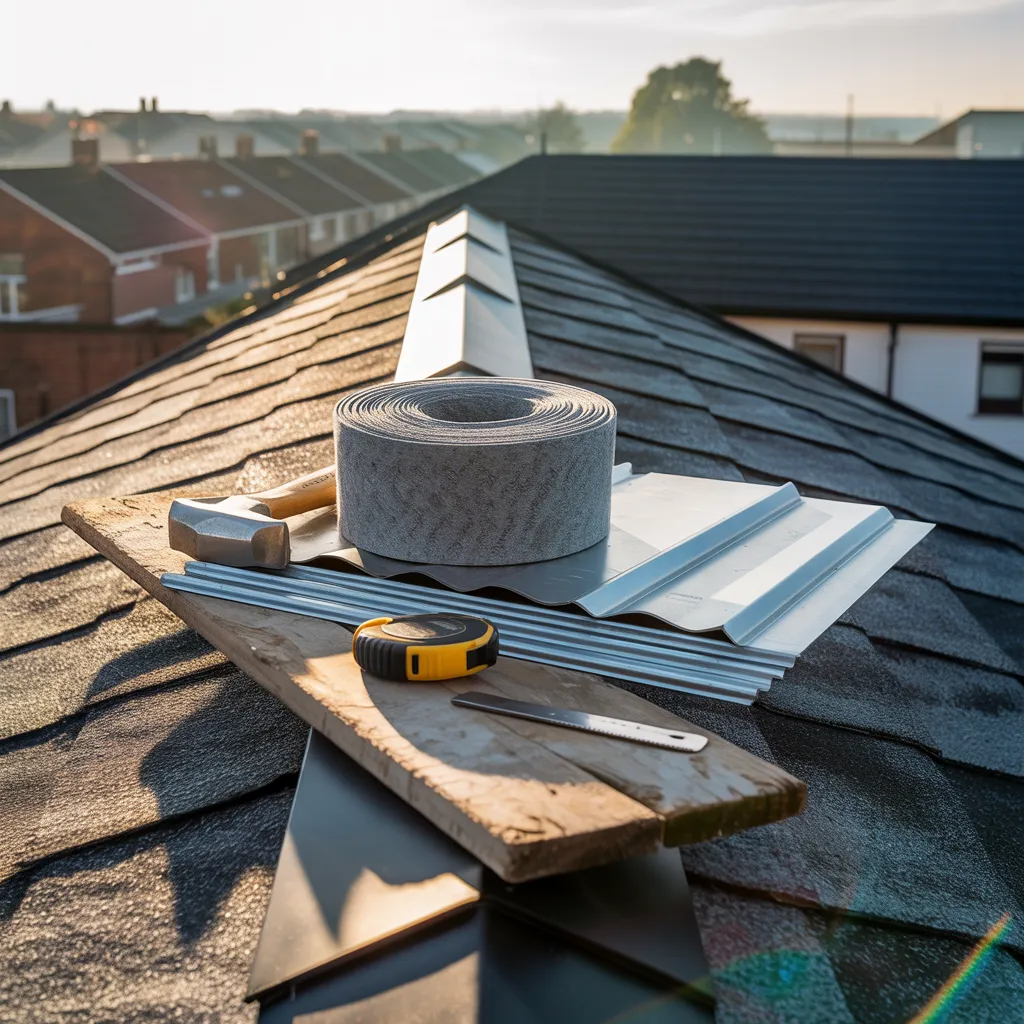
Study of Widely-Used Roofing Options: Benefits and Drawbacks
When choosing roofing materials, homeowners often evaluate the pros and cons of various options. Asphalt shingles are among the most popular due to their cost-effectiveness and simple installation process, but they have a shorter lifespan compared to other materials. Clay tiles offer long-lasting performance and visual attractiveness, though their weight and higher cost can be difficult for some structures. Metal roofing is commended for its extended lifespan and protection from severe climate conditions, yet it may present noise and expansion issues. Wood shingles provide natural beauty and insulation but require regular maintenance to prevent rot and insect damage. Slate is celebrated for its sophistication and exceptional longevity but comes with a substantial cost and necessitates professional installation. Finally, synthetic options, like rubber or plastic, mimic traditional materials while often being less heavy and more cost-effective; however, their durability over time can vary. Each material presents unique advantages and disadvantages that homeowners must carefully consider.
The Rising Favor in Metal Roof Materials
Metal roofing has reached a considerable increase in demand among homeowners, driven by its impressive durability and energy efficiency. Unlike standard roof options, metal roofs can resist extreme weather conditions, including heavy rain, snow, and high winds. This toughness not only extends the lifespan of the roof but also reduces the need for frequent repairs.
Furthermore, metal roofing reflects solar heat, which can result in lower utility costs during hot months. Homeowners are increasingly acknowledging its environmental benefits, as many metal roofs are made from recycled materials and are fully recyclable at the end of their life cycle.
Metal roofing's aesthetic appeal has contributed significantly to its expansion, offering various color and style choices that complement any home design. With growing demand in sustainable and long-lasting building materials, metal roofing emerges as a favored option for contemporary homeowners seeking functionality and aesthetic appeal.
The Benefits of Tile and Slate Roof Systems
Tile and slate roofing delivers substantial benefits that attract homeowners looking for long-lasting solutions. Recognized for their durability and lifespan, these materials can resist harsh climatic elements while preserving their integrity. Furthermore, the design choices offered enhance the appearance of homes, making them a preferred choice in various architectural styles.
Durability And Longevity
A primary advantage of tile and slate roofing features their outstanding durability and lifespan. Both materials are recognized for their ability to withstand harsh weather conditions, including heavy rain, snow, and extreme temperatures. Unlike traditional roofing materials, tile and slate are resistant to rot, insects, and fire, which substantially reduces maintenance costs over time. Their lifespan can exceed 50 years, often lasting much longer with proper care, making them a worthwhile investment for homeowners. Additionally, their weight enhances structural stability, providing further protection against environmental stressors. By choosing tile or slate, homeowners can enjoy peace of mind knowing their roofing solution is built to endure, ultimately enhancing the overall safety and security of their homes.
Stylistic Elegance Options
When examining roofing options, homeowners often find that tile and slate roofing not only provides durability but also enhances the aesthetic appeal of their properties. These materials come in a range of colors and styles, allowing homeowners to select designs that complement their architectural vision. Tile roofing, with its Mediterranean charm, provides a warm, inviting look, while slate roofing demonstrates sophistication and elegance. The natural textures and rich hues of slate contribute to a timeless appeal, making it a popular choice for upscale homes. Additionally, both materials are protected from fading, guaranteeing that their beauty lasts for decades. Ultimately, tile and slate roofing not only protects a home but also elevates its overall visual impact.
Benefits of Asphalt Shingles Roofing for Residential Owners
Many property owners find asphalt shingles to be an ideal roofing choice due to their cost-effectiveness and durability. This type of roofing material is recognized for its cost-effectiveness, making it accessible for a variety of budgets. In addition, asphalt shingles offer a lifespan of 15 to 30 years, depending on the grade and maintenance, providing a strong investment for homeowners.
The variety of shades and finishes offered facilitates tailoring to improve a home's aesthetic appeal. Furthermore, asphalt tiles are rather uncomplicated to apply, which can cause reduced installation expenses. They also function effectively in diverse environmental conditions, contributing to their widespread use.
Another notable benefit is their protection to deterioration and harm from UV rays, ensuring that roofs maintain their appearance over time. Overall, asphalt shingles offer a practical and attractive roofing solution for homeowners looking for reliability and value.
Top Roofing Alternatives for Your Climate
Determining the right roofing material is vital, as it must cope with the targeted challenges brought by by assorted climates. In cold regions, homeowners should highlight options that furnish insulation and resist snow accumulation, while those in hot climates may benefit from materials that reflect heat and optimize energy efficiency. Perceiving these elements can lead effective roofing choices suited to environmental conditions.
Freezing Climate Factors
When property owners in cold climates contemplate roofing options, they must assess material durability and insulation properties to withstand harsh weather conditions. The most reliable roofing materials include metal, asphalt shingles, and slate. Metal roofs offer exceptional longevity and resistance to snow accumulation, while asphalt shingles provide a cost-effective solution with adequate insulation. Slate, though more expensive, offers remarkable durability and aesthetic appeal. Additionally, proper insulation and ventilation are vital to prevent ice dam formation and moisture buildup, which can lead to structural damage. Homeowners should also examine local building codes and climate-specific recommendations to guarantee their roof can endure heavy snowfall and extreme temperatures, ultimately protecting their homes against the elements.
Hot Climate Options
As contrasted with the challenges found in cold climates, homeowners in hot regions need to emphasize heat resistance and energy efficiency during their roofing material procurement. Favored solutions such as reflective metal roofs are sought after for their ability to reflect sunlight, reducing the amount of heat captured. Materials of concrete and clay tiles provide remarkable thermal performance paired with long-lasting durability and aesthetic value. In addition, cool roofing systems incorporating specialized coatings capable of reflecting increased sunlight can markedly diminish interior temperatures. Insulation plays a important part, assisting with sustaining an comfortable indoor setting. To summarize, picking the proper roofing option boosts comfort while also fostering energy economy, serving as an major deliberation for homeowners in hot climates.
Indicators You Should Have a Roof Replacement or Repair?
How can homeowners figure out whether their roof needs replacement or fixing? Several obvious signs point to potential issues. First, visible damage such as missing shingles, curled edges, or significant granule loss suggests breakdown. Property owners should also check for water marks or damp patches on ceilings and walls, which can indicate water intrusion. If light is visible through gaps in the roof or attic, it indicates structural damage.
Additionally, sagging details areas may point to hidden structural issues, requiring immediate attention. A roof's maturity is also a critical factor; most roofs last between 20 to 25 years. If a roof is approaching this age and shows multiple indicators of deterioration, replacement may be required. Regular inspections after intense storm conditions can help identify issues promptly. By recognizing these signs, homeowners can determine appropriate actions about the state of their roofs and guarantee their homes remain protected and sound.
Guide to Keeping Your Roof in Good Condition for Years to Come
To maintain roof longevity, consistent attention and proactive care are required. Homeowners should conduct routine inspections, ideally twice a year, to identify any signs of damage or wear. Key tasks include inspecting for missing shingles, cracks, and debris buildup. Cleaning gutters is essential, as clogged gutters can lead to water pooling and potential leaks.
Moreover, trimming protruding limbs can avoid damage from falling limbs and reduce moss growth, which can damage roofing materials. Using a protective coating can also enhance longevity against harsh weather conditions.
Furthermore, ensuring proper ventilation in the attic helps regulate temperature and moisture levels, reducing the risk of rot and mold. Engaging a professional for regular upkeep can provide peace of mind, as experts can spot issues that may go overlooked. By adopting these strategies, homeowners can greatly prolong the durability of their roofs, guaranteeing safety and security for their homes.
Common Asked Questions
How Can I Identify the Most Suitable Roofing Professional?
In order to locate the proper roofing contractor, one needs to look into qualifications, review feedback, assess estimates, validate insurance, and establish direct communication. A comprehensive selection process can accomplish a successful and satisfying roofing project.
What Constitutes the Common Lifespan of Diverse Roofing Materials?
The typical lifespan of roofing materials differs: asphalt shingles last 15-30 years, metal roofs can endure 40-70 years, clay tiles often reach 50-100 years, and slate roofs may last over a century with proper maintenance.
Do Roofing Warranties Justify the Financial Commitment?
Roofing warranties may be valuable investments as they offer monetary safeguards against defects and premature wear. However, their worth often is contingent upon material quality and the particulars of the warranty terms included.
How Can I Maximize My Roof's Energy Efficiency?
To improve a roof's energy efficiency, one can apply reflective roofing materials, upgrade insulation, fix leaks, and add ventilation systems. These measures help regulate temperature, reduce energy costs, and promote a more sustainable living environment.
What Are the Expenses Associated With a Roof Replacement?
The monetary investment for a roof replacement commonly spans from $5,000 to $20,000, varying with materials, labor, and the roof's size. Supplementary considerations involve geographical location and the difficulty of the roofing system.